Usambara Mountains
Discover Wonders with Every Step
Usambara Mountains
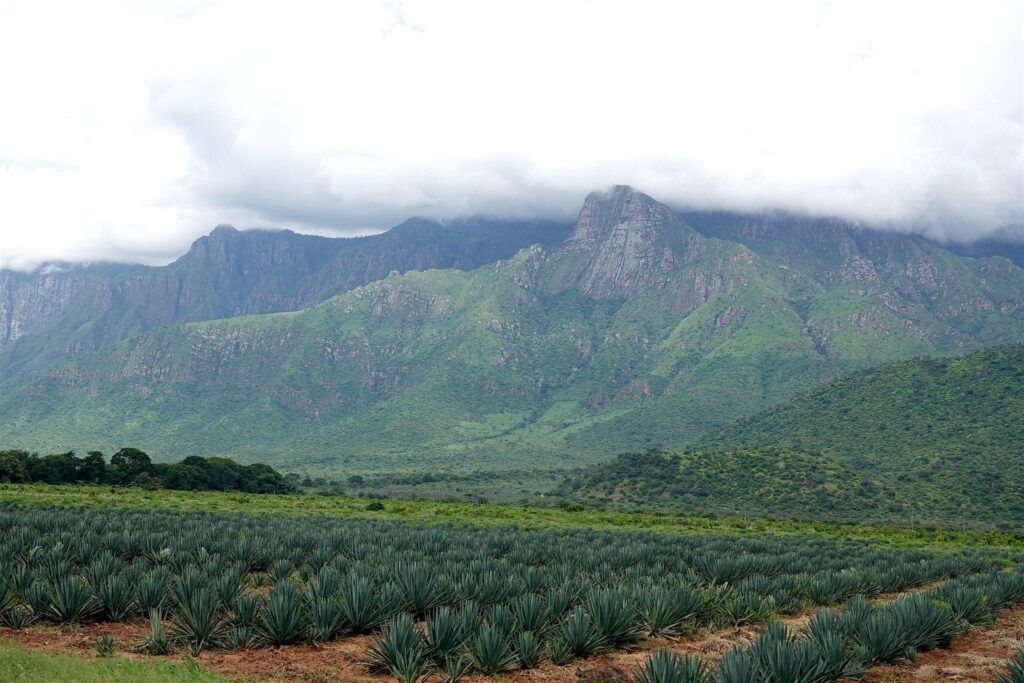
The Usambara Mountains, located in northeastern Tanzania near Mkomazi National Park, are an ecologically rich and visually stunning mountain range, about 110 km west of Tanga. Divided into the East and West Usambaras, the region is known for its unspoiled tropical rainforests, grassy plains, and fertile slopes. The East Usambaras, closer to the coast, receive higher rainfall and are less populated, featuring the Amani Nature Reserve, with its botanical gardens, butterfly farming, and tea and spice plantations. In contrast, the West Usambaras, approached via Lushoto, are richer in history with colonial-era buildings and offer visitors a glimpse of local Wasambaa villages. Part of the Eastern Arc Mountains, the Usambaras are recognized as a global biodiversity hotspot, home to over 3,000 plant species, including 600 tree species, and diverse wildlife. The mountains are shaped by ancient faulting and uplifting, composed of Precambrian metamorphic rocks that date back nearly two million years. With a cool climate and panoramic views of rolling hills, deep valleys, vibrant farmlands, and traditional villages, the Usambaras provide an ideal environment for hiking and exploration. Their exceptional biodiversity, combined with the cultural richness of the region, makes the Usambaras a must-visit destination for nature enthusiasts, bird watchers, botanists, and those seeking a unique cultural experience.
Thrilling Hiking Excursions & Scenic Viewpoints
Take a half-day or full-day hike through picturesque landscapes, where every step immerses you in nature’s wonders. Ascend to Irente Viewpoint for a stunning panorama of Mazinde village, nearly 1,000 meters below, and the vast Maasai plains beyond. On your way back, stop by Irente Farm to taste fresh cheese and visit the historic Kwembago royal village.
For a magical experience, embark on the “Growing Rock” Tour from Soni. Trek to the top of Kwamongo Mountain, renowned for its butterfly species, and enjoy sweeping views of Lushoto, Soni, and the Handeni plains. Learn about a fascinating soil conservation project and uncover the mystery of the “Growing Rock” in Magila village.
Wildlife & Cultural Encounters
Venture into the Magamba Forest, where towering trees shelter black-and-white colobus monkeys. This route also takes you through the historic German Middle School and World War I trenches, providing a glimpse into the region’s colonial past. In Jaegertal, stroll through fertile farmlands and visit a thriving fruit tree nursery, learning about different propagation techniques.
Immerse yourself in the local culture with visits to Wasambaa villages, where warm hospitality awaits. Engage with locals, witness their daily lives, and explore traditional markets.
Birdwatcher’s Paradise & Biodiversity Hotspot
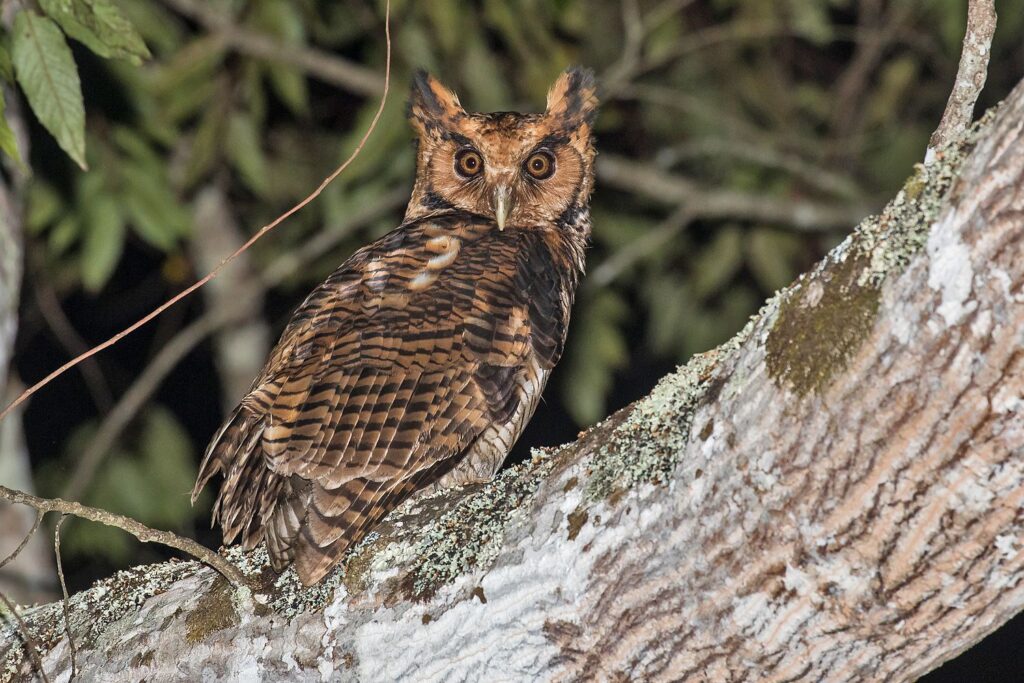
The Usambara Mountains are a haven for bird enthusiasts and naturalists. Recognized as a biodiversity hotspot, the region is home to over 3,000 plant species and 600 tree species, many of which are found nowhere else. Keep your eyes peeled for rare bird species like the Usambara eagle-owl, Crown eagle, Mountain buzzard, and Hartlaub’s Turaco.

Best Time to Visit & Travel Information
The best time to explore Usambara is June to October, after the rains, when trails are dry, and the air is crisp and clear. Avoid the rainy season (March to May), as paths can get too muddy for trekking. Usambara Mountains are situated 8-hour drive from Arusha town (The Hub of Tourism). For the client to full enjoy we recommended client to stay at least 2 days